%2Ffit-in%2F250x250%2Fguide_websites%2F119561%2Fimages%2F1771403935372image.png&w=1920&q=100)
/users/9b5927d9-9fea-4caa-85ff-d6c69d244dca/ratecard/4-mlrrry3c.jpg)
%2F300x300%2Fusers%2F9b5927d9-9fea-4caa-85ff-d6c69d244dca%2Fratecard%2F4-mlrrry3c.jpg&w=256&q=75)
%2F300x300%2Fusers%2F9b5927d9-9fea-4caa-85ff-d6c69d244dca%2Fimages%2Fredfish-fishing-florida-2435.jpg&w=256&q=75)
%2F300x300%2Fusers%2F9b5927d9-9fea-4caa-85ff-d6c69d244dca%2Fimages%2Fcaught-redfish-florida-2473.jpg&w=256&q=75)
%2F300x300%2Fusers%2F9b5927d9-9fea-4caa-85ff-d6c69d244dca%2Fimages%2Fspotted-weakfish-florida-fishing-2417.jpg&w=256&q=75)
%2F300x300%2Fusers%2F9b5927d9-9fea-4caa-85ff-d6c69d244dca%2Fimages%2Ffishing-best-snook-naples-2406.jpg&w=256&q=75)
%2F300x300%2Fusers%2F9b5927d9-9fea-4caa-85ff-d6c69d244dca%2Fimages%2Fsnook-fishing-fl-2451.jpg&w=256&q=75)
%2F300x300%2Fusers%2F9b5927d9-9fea-4caa-85ff-d6c69d244dca%2Fimages%2Ffishing-florida-2370.jpg&w=256&q=75)
%2F300x300%2Fusers%2F9b5927d9-9fea-4caa-85ff-d6c69d244dca%2Fimages%2Fredfish-triumph-naples-2504.jpg&w=256&q=75)
%2F300x300%2Fusers%2F9b5927d9-9fea-4caa-85ff-d6c69d244dca%2Fimages%2Fredfish-caught-naples-2472.jpg&w=256&q=75)
%2F300x300%2Fusers%2F9b5927d9-9fea-4caa-85ff-d6c69d244dca%2Fimages%2Fsnook-caught-in-fl-2544.jpg&w=256&q=75)
%2F300x300%2Fusers%2F9b5927d9-9fea-4caa-85ff-d6c69d244dca%2Fimages%2Ffishing-solitude-naples-2471.jpg&w=256&q=75)
Naples 6 Hour Inshore Fishing Reel Local
What you will be catching:
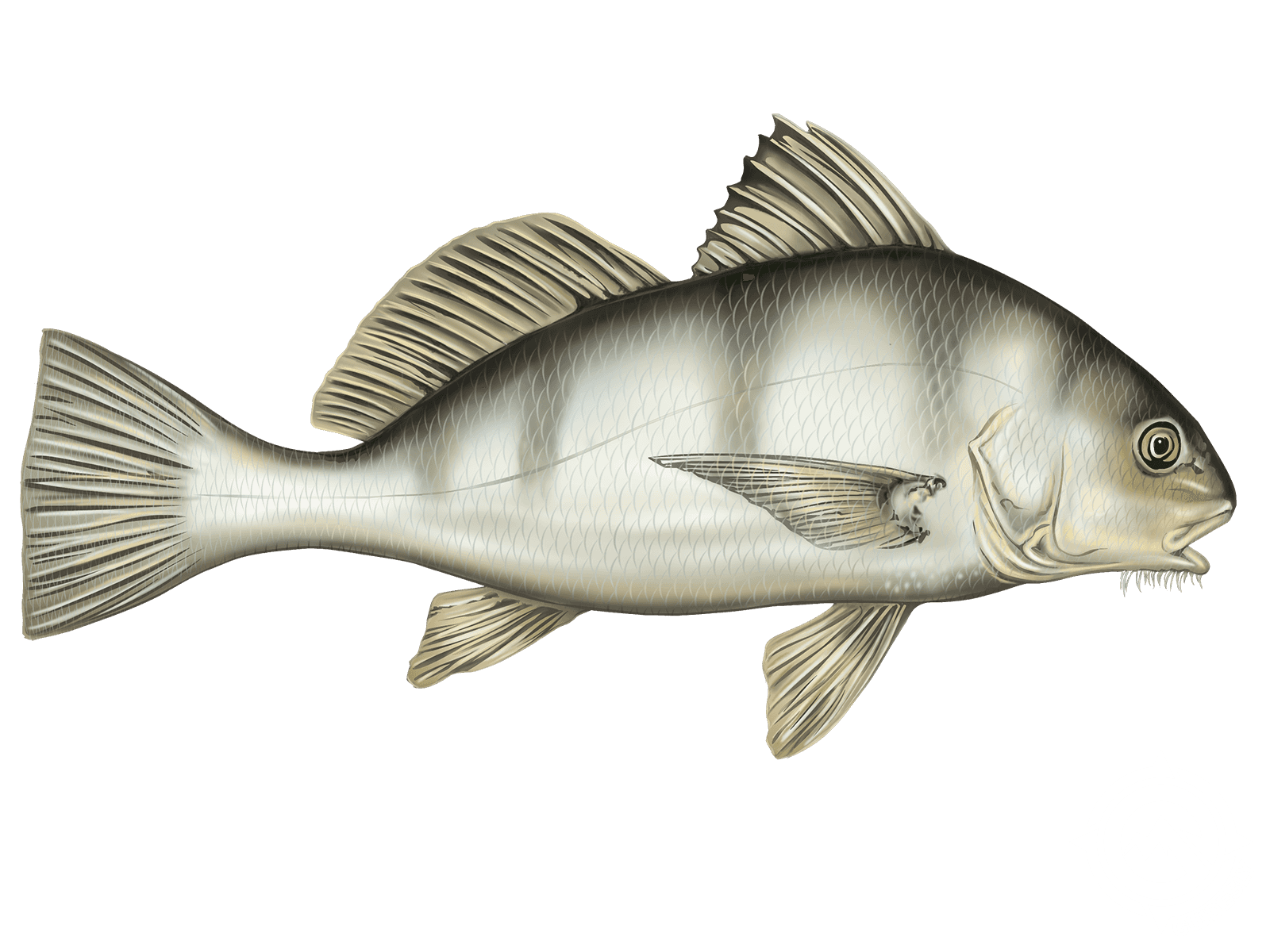
 Black Drum
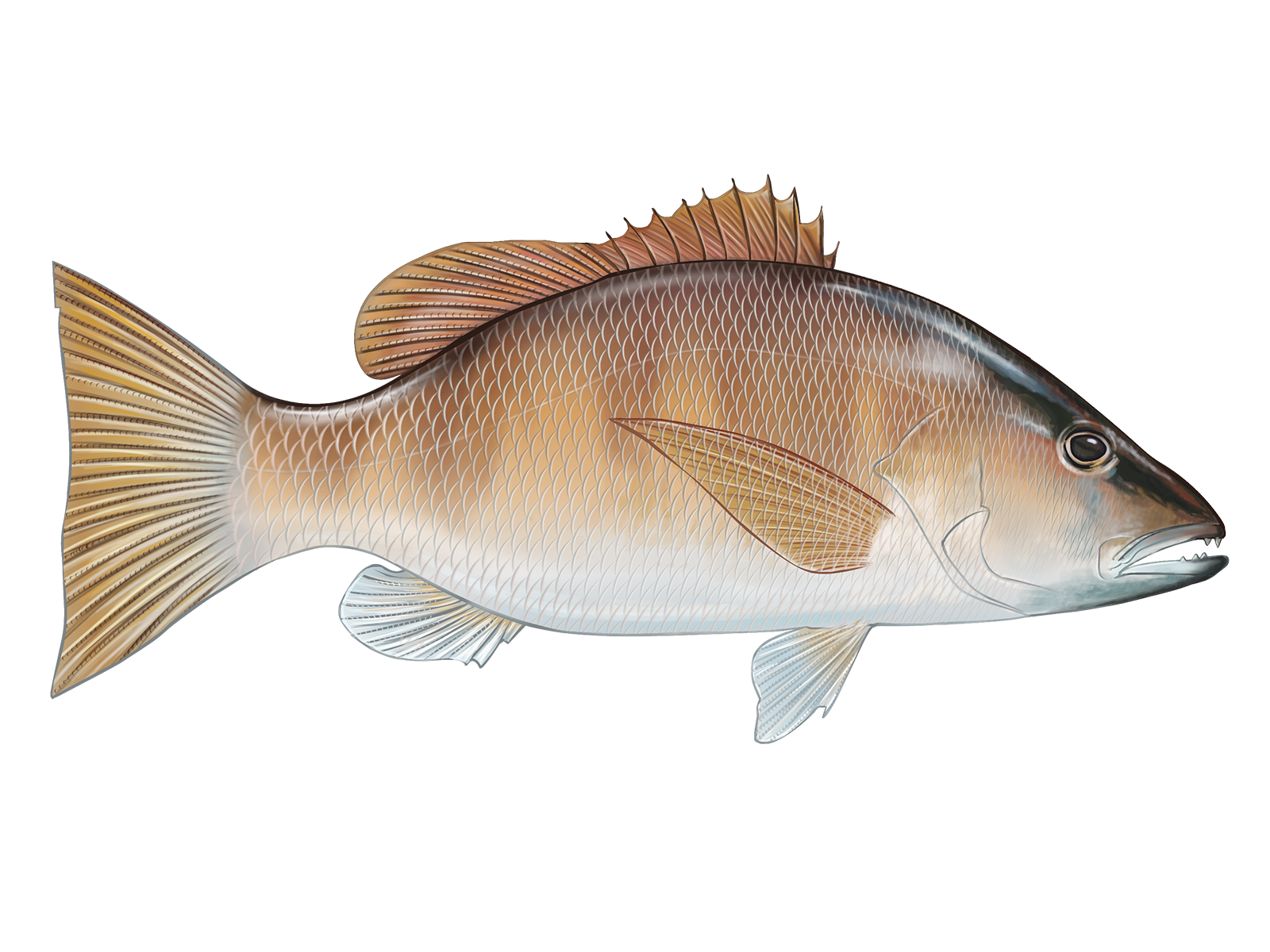 Grey Snapper
 Redfish
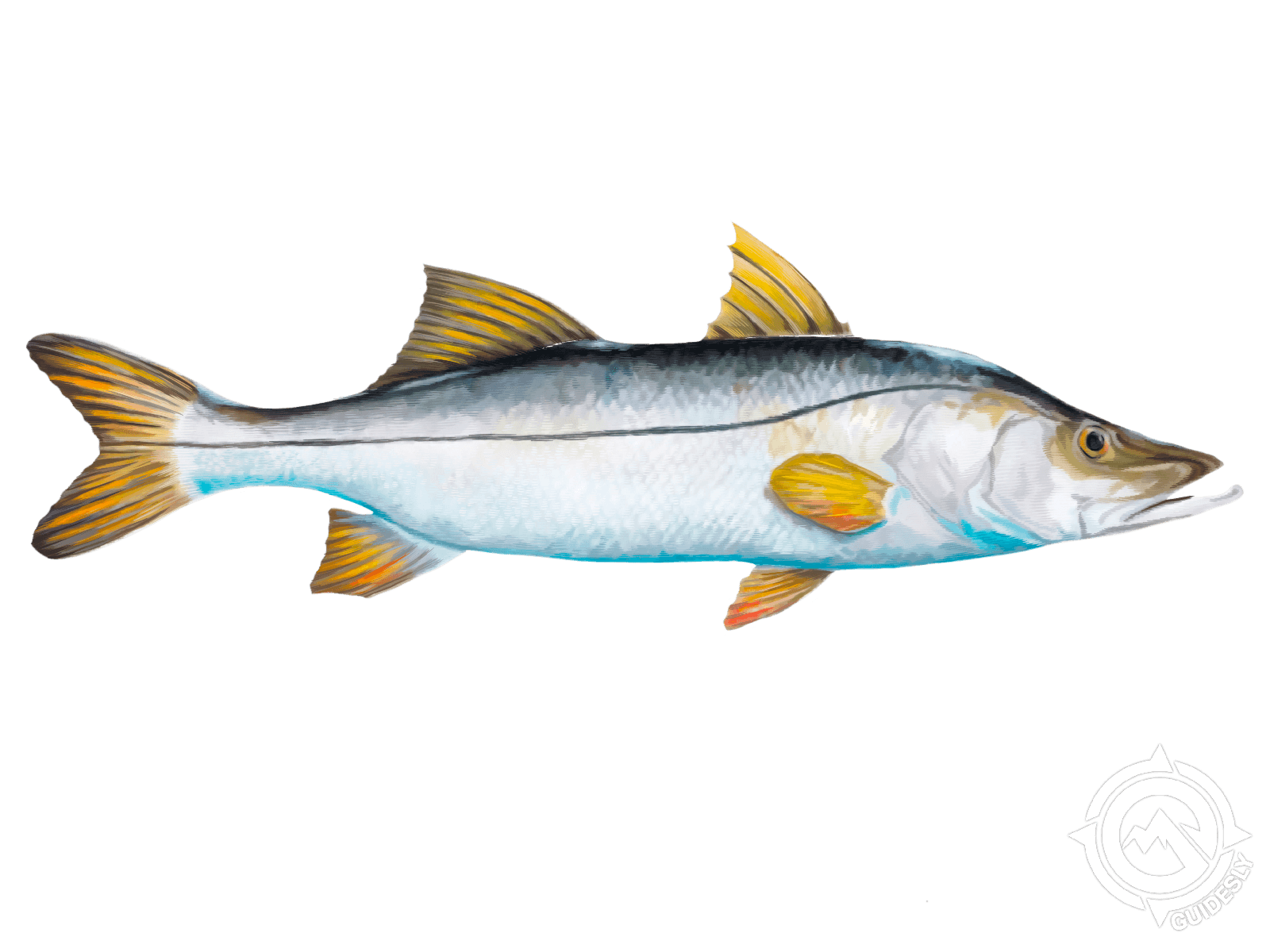
 Snook
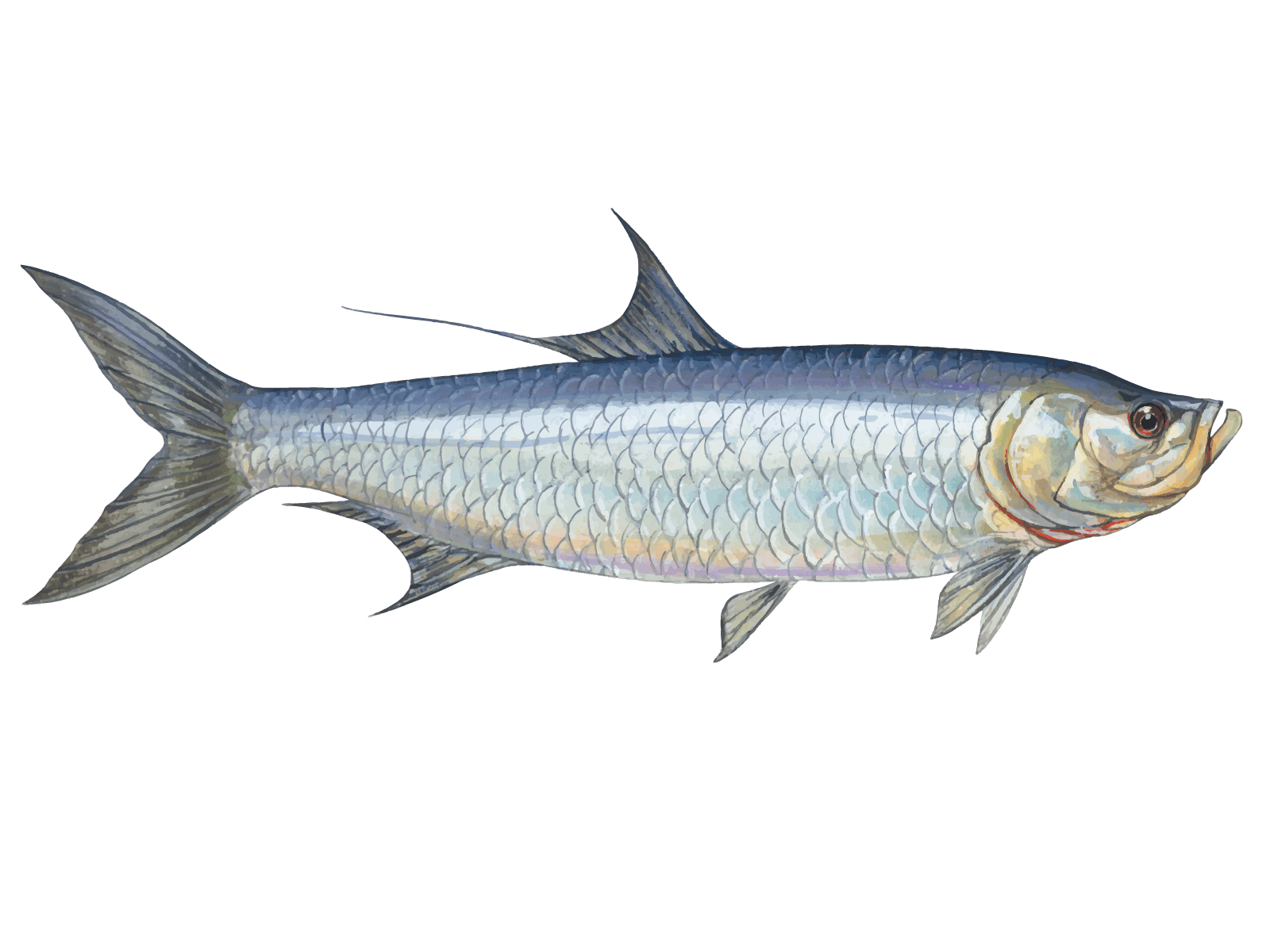
Snook Tarpon
- 6-hour inshore charter targeting redfish, seatrout, snook, and tarpon
- Maximum 4 passengers with all gear, tackle, bait, and licenses included
- Expert captain navigates Naples flats adapting to changing conditions
Trip Pricing and Availabilities:
6 Hour Naples Inshore Fishing Charter
There's something special about having a full six hours on Southwest Florida's inshore waters. This isn't your typical rushed fishing trip – we're talking about a proper day out where you can really dial in on what the fish are doing. Starting at 8:00 AM when the morning bite is just getting good, you'll have time to hit multiple spots, adjust to the tides, and work different techniques until something clicks. Naples offers some of the most productive inshore fishing in Florida, and with this much time on the water, we can make the most of it. The boat holds up to four anglers, so whether you're bringing the family or a small group of friends, everyone gets plenty of action without feeling crowded.
What to Expect on the Water
Six hours gives us the luxury of fishing smart instead of just fishing fast. We'll start where conditions look best that morning – maybe working the mangrove shorelines for snook, or hitting the grass flats for redfish and trout. The beauty of a longer trip is we're not stuck in one spot. If the bite slows down, we move. If the tide changes and opens up new opportunities, we're on it. Your captain knows these waters inside and out, so expect to see different techniques throughout the day. We might start with live bait under the mangroves, switch to artificials on the flats, then maybe try some sight fishing if conditions are right. All your gear is covered – rods, reels, tackle, bait, and licenses – so you just need to bring your appetite for fishing. Don't forget snacks and drinks though, because six hours works up a real hunger, and staying hydrated in the Florida sun is no joke.
Tactics That Get Results
Inshore fishing here is all about reading the water and matching your approach to what the fish want. We'll use a mix of live and artificial baits depending on what's working. Live shrimp and pilchards are money baits for most species, while soft plastics and topwater plugs can trigger some explosive strikes when fish are aggressive. The shallow water means we're sight fishing a lot of the time – actually seeing fish before we cast to them. That's where the skill really comes in. Your captain will position the boat to give you the best shots, whether that's drifting a flat, anchoring near a structure, or working a shoreline. The 18-22 foot flats boats we use are perfect for this kind of fishing – shallow draft gets us into places the big boats can't reach, but stable enough to fish comfortably. Electronics help us find bait schools and structure, but it's really about understanding fish behavior and putting your bait where they want to be.
Top Catches This Season
Snook are the crown jewel of Southwest Florida inshore fishing, and for good reason. These ambush predators love structure – docks, mangroves, bridge pilings – anywhere they can hide and wait for an easy meal. They're most active during dawn and dusk, but in six hours we'll hit multiple feeding windows. What makes snook special is their fight and their looks. That black lateral line and that big mouth are unmistakable, and when a good one hits your bait, you know it immediately. Spring through fall are prime time, with summer offering the most consistent action. They're catch and release only, which keeps the fishery strong.
Redfish might be the most popular target species we have, and Naples has some fantastic reds. These copper-colored fighters patrol the grass flats and mangrove edges in small schools, and they're not particularly shy about eating. A good red will make multiple runs, using that broad tail to really test your drag. They're available year-round, but fall brings the best numbers as they school up for their spawning runs. The slot-size fish (18-27 inches) are perfect for the dinner table, while the oversized bulls provide pure sport. Reds are also great for beginners because they're aggressive feeders and fight hard without being too technical to catch.
Spotted seatrout are the bread and butter of inshore fishing. These beautiful fish with their distinctive spots and prominent canine teeth are found over grass flats throughout our area. They're most active in slightly deeper water than reds, usually 3-8 feet, and they love soft bottom areas with good grass coverage. Trout bite well on both live and artificial baits, making them perfect for anglers who want to practice different techniques. They're excellent table fare, and their willingness to bite makes them a favorite for families. Cool weather actually improves trout fishing, so they're a great target during our "winter" months when other species slow down.
Tarpon are the silver kings of inshore fishing, and Naples gives us shots at fish ranging from juvenile "baby" tarpon of 10-30 pounds up to fish over 100 pounds. These prehistoric-looking fish are pure adrenaline – when a tarpon eats your bait and goes airborne, everything else stops. They're most common in summer months, often rolling on the surface in channels and basins. Even small tarpon fight way above their weight class, making multiple jumps and long runs. We practice catch and release with tarpon to preserve this incredible fishery. Landing your first tarpon is a milestone every angler remembers.
Grey snapper (mangrove snapper) are crafty little fighters that test your skills. These fish have excellent eyesight and can be line-shy, so lighter tackle and careful presentations often work best. They hang around structure – docks, bridges, oyster bars – and they're aggressive feeders when you get the technique right. What makes them exciting is their unpredictability. You might catch a dozen small ones, then hook into a 5-pounder that feels like a truck. They're fantastic eating, so they're a great target when you want to bring dinner home.
Black drum are the bulldogs of the flats. These fish don't win any beauty contests, but they make up for it with raw power. Drum cruise
Learn more about the species
Black Drum
Black drum are the bulldogs of Southwest Florida's flats - powerful, stubborn fighters that'll test your drag system. These members of the drum family typically range from 5-30 pounds around Naples, with their distinctive dark coloration and barbels under the chin. Find them on shallow mudflats, around oyster beds, and near creek mouths where they crush crabs and shellfish with those powerful jaws. Spring brings the best fishing when they school up for spawning, making them easier to target. Guests love the strong, steady fight they provide, though keep the smaller ones for eating - anything over 15 pounds gets tough and loses flavor. Here's the key: use fresh crab or cut bait right on the bottom. These fish are bottom feeders, so keep that bait in the strike zone and be patient.
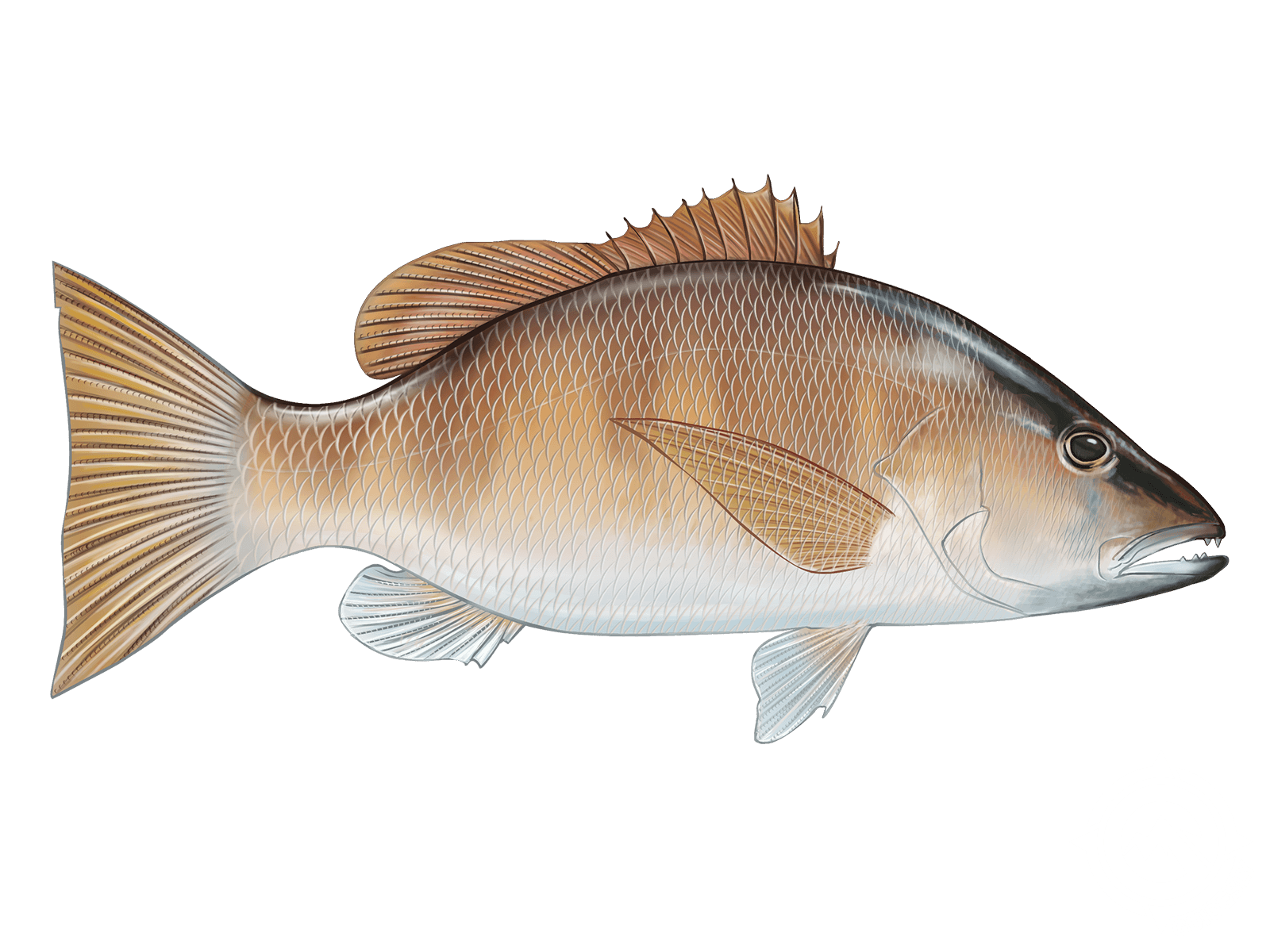
Grey Snapper
Also called mangrove snapper, these smart fish are a favorite target around Naples for good reason. They typically run 1-3 pounds inshore, though bigger ones lurk in deeper water. Look for them around docks, mangrove roots, oyster bars, and any structure in 3-15 feet of water. They're active year-round here in Southwest Florida, but spring and summer produce the most consistent action. What guests love about grey snapper is their scrappy fight and outstanding table fare - sweet, white, flaky meat that's perfect for the dinner table. They're nocturnal feeders, so early morning and late afternoon bites are prime time. Pro tip: keep your bait still once it hits bottom. These opportunistic predators are spooky, so let that live shrimp just sit there and wait for them to commit.
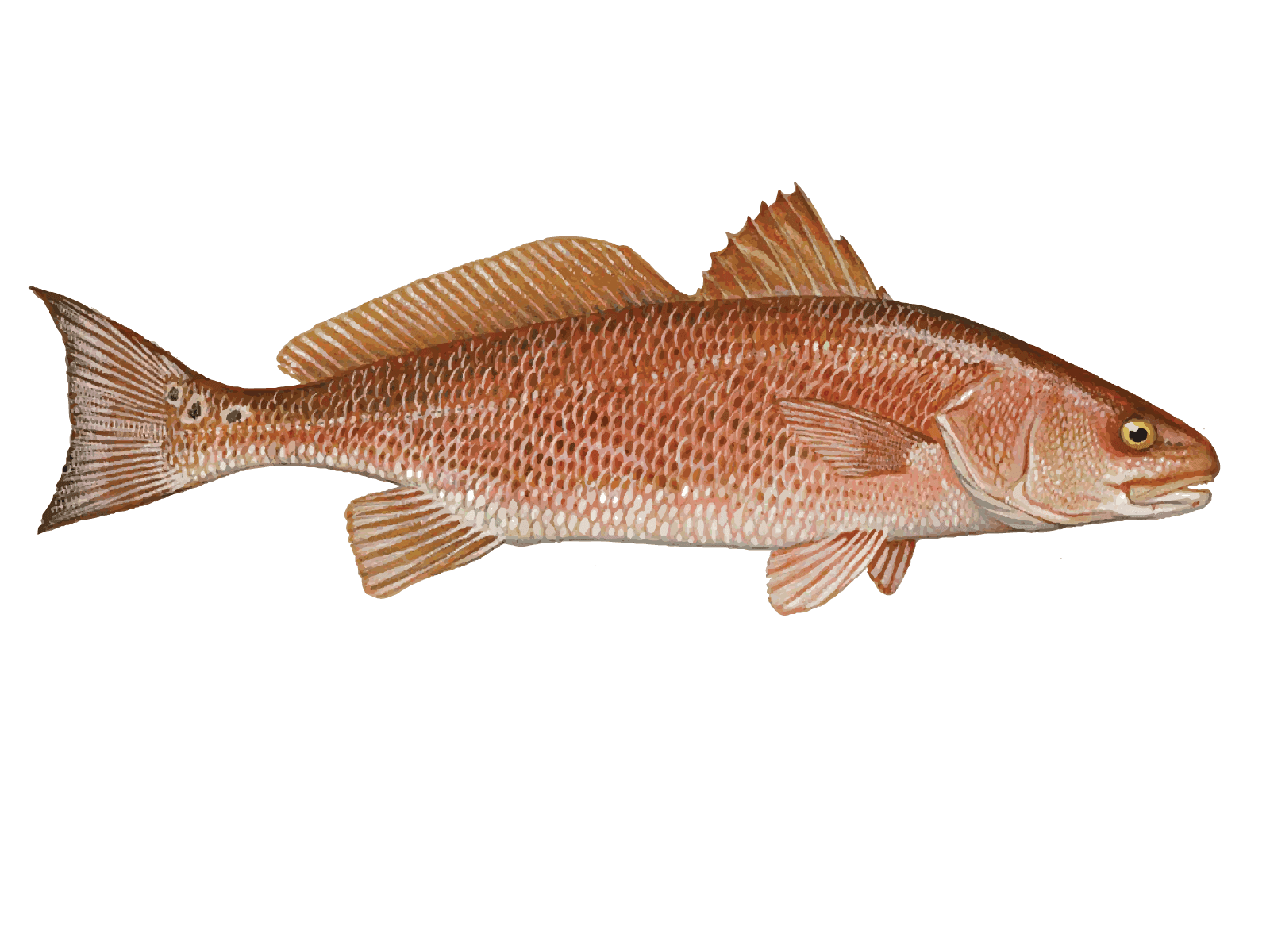
Redfish
Redfish are the bread and butter of Naples inshore fishing - reliable, fun to catch, and excellent on the table. These copper-colored fish with their signature black spots typically run 18-32 inches around here, though bull reds over 40 inches cruise the deeper flats. Look for them in 1-4 feet of water around oyster bars, grass flats, and mangrove shorelines. They're active year-round in Southwest Florida, with fall and winter offering some of the best sight-fishing opportunities. Guests love redfish because they eat almost anything, fight hard, and provide sweet, firm meat that's perfect grilled or blackened. The real thrill is sight-fishing - watching their backs and tails out of the water as they root for crabs. My go-to technique: work a gold spoon or live shrimp slowly along the bottom near structure.
Snook
Snook are one of Southwest Florida's most prized gamefish, and for good reason. These sleek predators average 1-3 feet but can reach over 4 feet, with that distinctive black lateral line running down their golden sides. You'll find them around mangroves, docks, and creek mouths in both salt and brackish water - they love structure and ambush points. Spring through fall offers the best action, especially around the spawning months of May through September when they turn aggressive. What makes snook special is their explosive strike and acrobatic fight, plus they're fantastic eating with firm, white meat. Here's a local tip: when working mangrove shorelines, cast your live shrimp or pinfish right into the shadows where the branches overhang the water. That's where the big ones wait.
Tarpon
The silver king needs no introduction - these prehistoric giants are the ultimate bucket-list fish. Around Naples, we typically see fish from 50-150 pounds, though monsters over 200 pounds show up regularly. They cruise shallow flats, channels, and around bridges, often rolling on the surface to gulp air. Late spring through summer is prime tarpon season here in Southwest Florida when they migrate through our waters. What makes tarpon special isn't the eating (they're catch and release only), but those heart-stopping jumps when hooked - sometimes 10 feet out of the water. The fight can last an hour or more with these athletic fish. Local secret: when you see them rolling in a channel, position your boat upcurrent and let a live crab or pinfish drift down naturally. Patience pays off with these giants.
About the Reel Local Fishing Charters
%2F%2Fusers%2F9b5927d9-9fea-4caa-85ff-d6c69d244dca%2Fvehicle_picture%2Fimage7-mlrqfkze.png&w=1920&q=75)
Vehicle Guest Capacity: 4
Manufacturer Name: Yamaha 4-stroke
Maximum Cruising Speed: 20
Number of Engines: 1
Horsepower per Engine: 250